Disposable CTD sensors put into application to enhance rapid ocean observation capabilities
Recently, the application of disposable temperature-salinity-depth sensors in the field of ocean observation has been continuously expanding, providing a more efficient and convenient technical means for obtaining key parameters of the marine environment. These sensors, characterized by one-time deployment and rapid measurement, are widely used in ocean surveys, climate research, and maritime operation support.
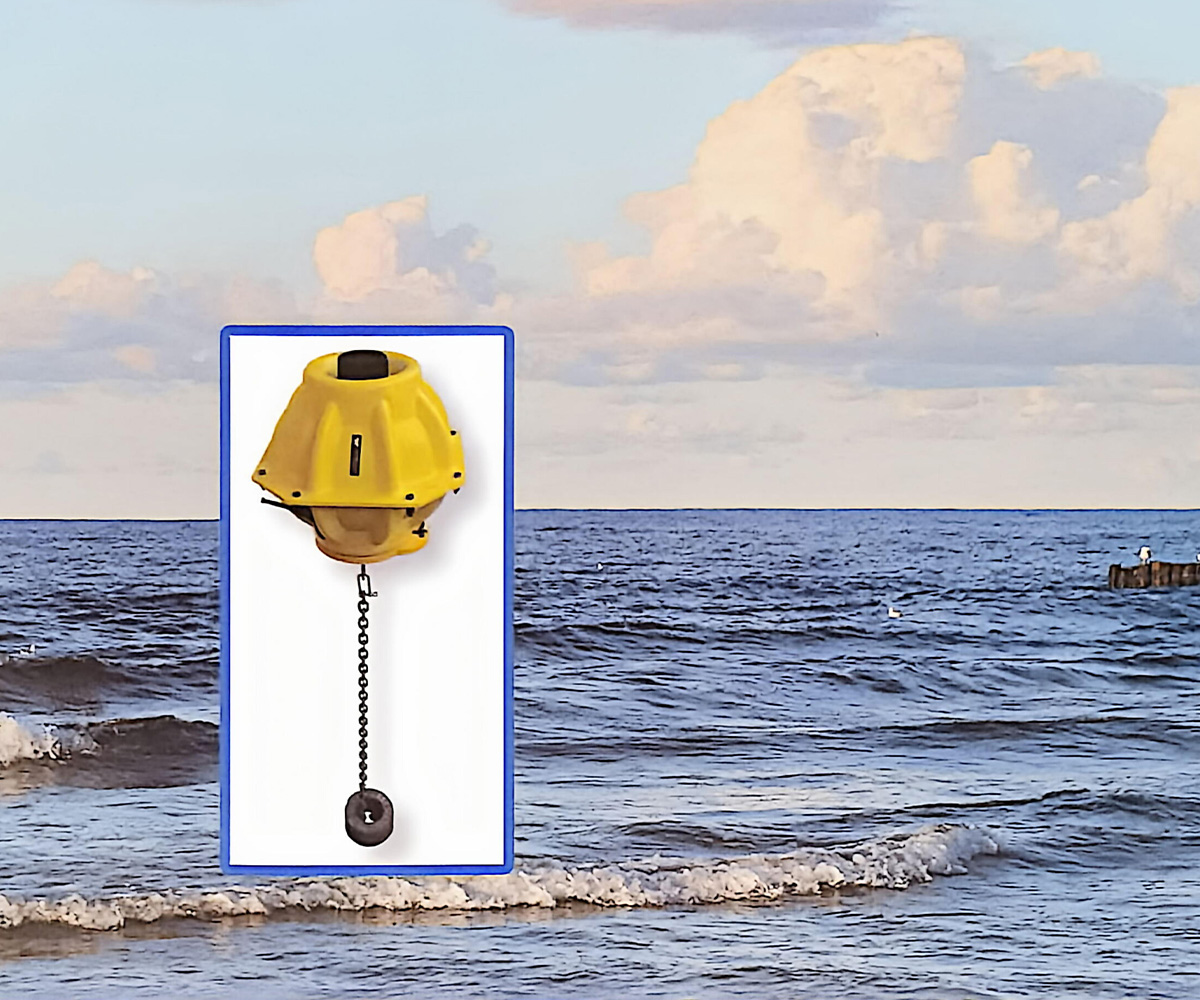
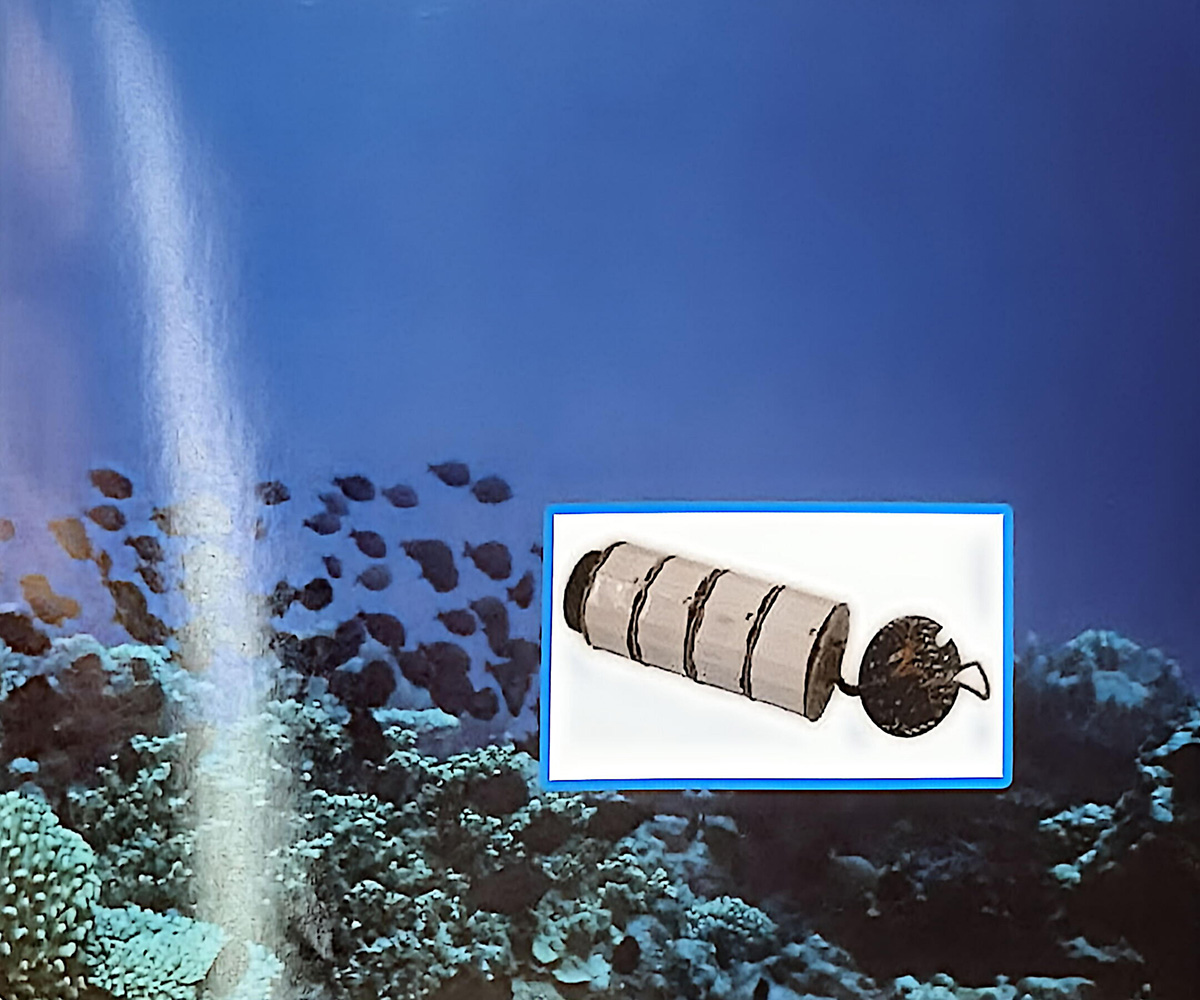
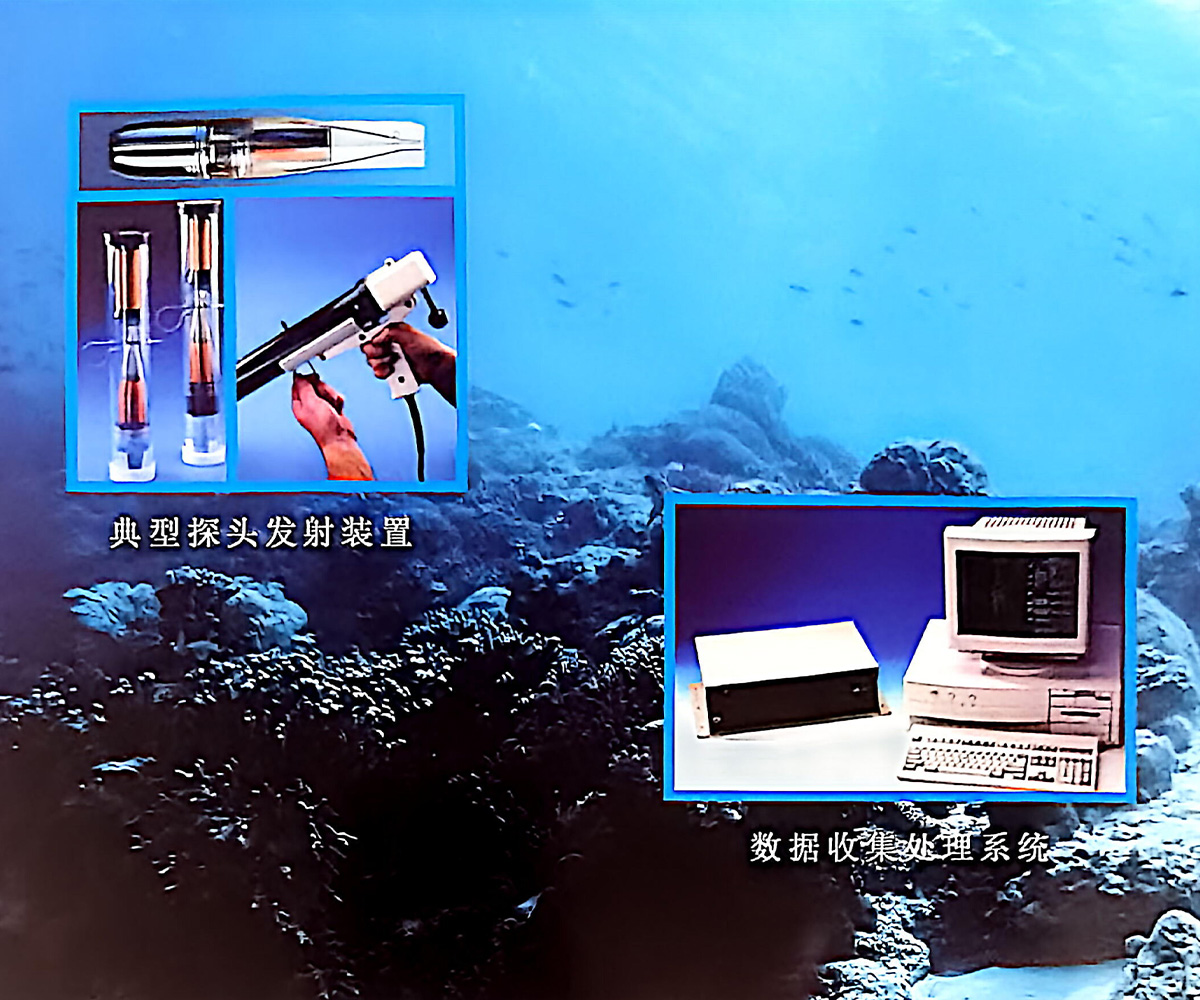
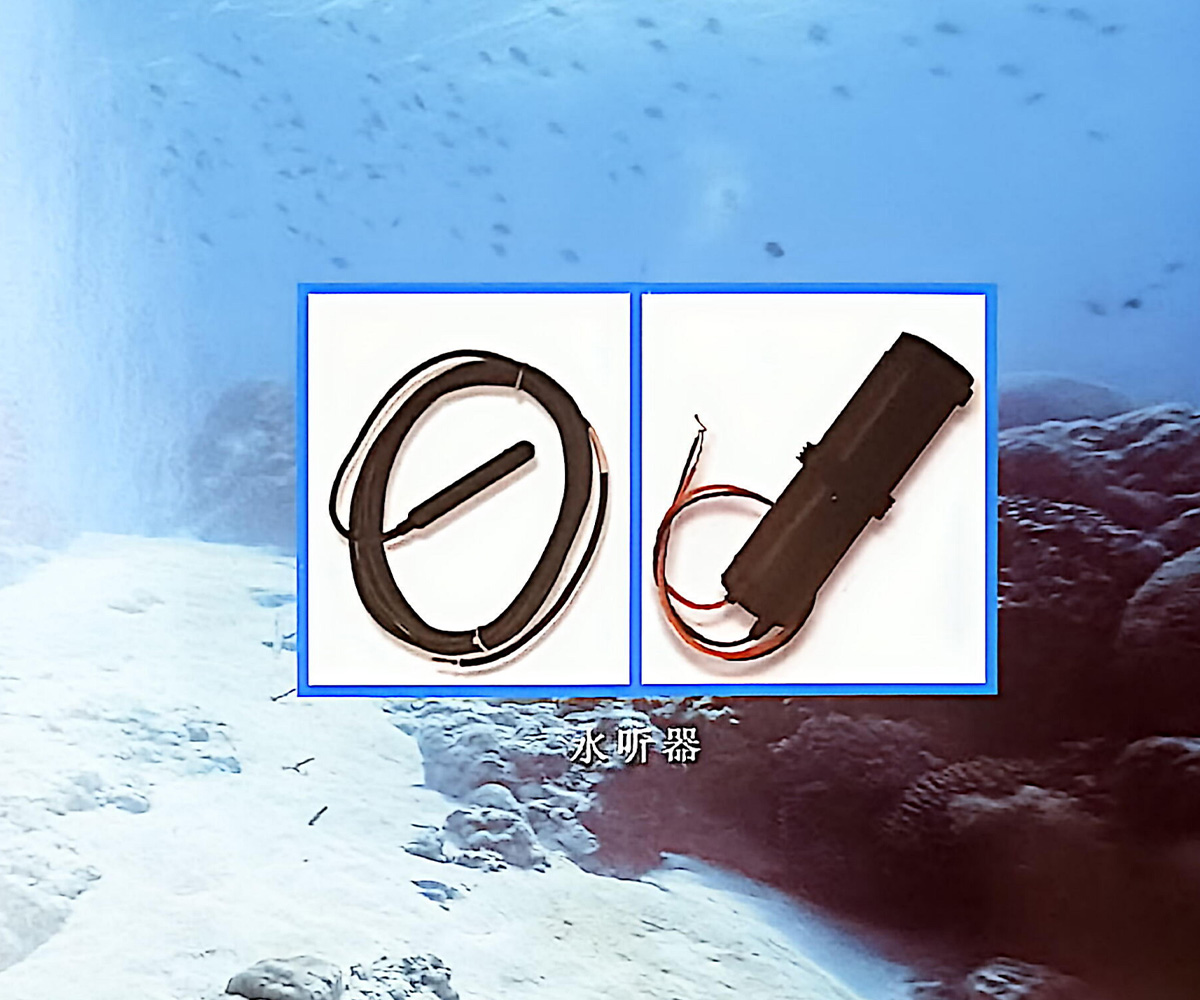
It is understood that disposable temperature-salinity-depth sensors are deployed into the sea through ship-mounted equipment. During their descent, they continuously collect data on seawater temperature, salinity, and depth, which are transmitted in real-time to the receiving system via wires. The entire measurement process eliminates the need to retrieve the equipment, significantly enhancing operational efficiency. This technology is particularly suitable for large-scale and rapid deployment of ocean observation tasks.
Compared to traditional reusable measuring instruments, disposable sensors offer advantages such as ease of operation, rapid response, and strong adaptability. In marine scientific expeditions, researchers can acquire data from multiple profiles in a short period of time, enabling more accurate analysis of marine structural changes. Furthermore, this equipment plays a significant role in areas such as typhoon monitoring, marine forecasting, and military marine environmental support.
Industry experts indicate that, with the ever-growing demand for ocean observation, disposable temperature-salinity-depth sensors are evolving towards higher accuracy, stronger anti-interference capabilities, and lower costs. Some new products have begun to integrate satellite communication and intelligent data processing functions, further enhancing data acquisition and application efficiency.
Experts believe that disposable temperature-salinity-depth sensors will play a more important role in the global ocean observation network in the future, providing crucial data support for marine environmental monitoring, climate change research, and marine resource development.